


Hastelloy alloy is a name that comes up when ordinary stainless steel is not enough. These nickel-based alloys are built around chromium, molybdenum, and sometimes iron, tungsten, or cobalt, and they are chosen for one main reason: they keep their integrity in corrosive or high-temperature service where other materials fail early. In our work with chemical processors, equipment fabricators, and maintenance teams, the conversation rarely starts with a grade number. It starts with the medium, the temperature, and the consequence of a leak.
That practical starting point matters. A Hastelloy alloy can be the right answer for a reactor handling mixed acids, a heat exchanger exposed to chlorides, or a pollution-control duct that sees hot aggressive gas. It can also be the wrong answer if the duty is mild and a more economical stainless grade would last just as long. Our approach is to treat the alloy family as a set of tools, not as a default upgrade.
What Makes Hastelloy Alloy Different
The family is not a single recipe. It is a group of nickel alloys engineered around different balances of chromium, molybdenum, and other elements. Molybdenum is often the key to resistance against reducing acids and to pitting and crevice corrosion in chloride-bearing environments. Chromium supports resistance in oxidizing conditions. Nickel provides ductility, metallurgical stability, and a good foundation for fabrication. The balance of these elements is what separates one grade from another.
This is why two grades that look similar on a certificate can behave very differently in service. A grade that performs well in one acid can suffer in another. A grade with excellent high-temperature strength may not be the first choice for a wet chloride duty. Experienced buyers learn to ask three questions before selecting a Hastelloy alloy: what is the chemistry of the process stream, what temperature and pressure will the part see, and how will the part be made and inspected?
- Chloride stress corrosion cracking is a common reason to move away from lower-alloy stainless steels.
- Mixed acid streams, especially those containing both oxidizing and reducing species, often call for a nickel-chromium-molybdenum balance.
- High-temperature oxidation, furnace atmospheres, and cyclic heating may point toward a grade designed for heat resistance rather than aqueous corrosion alone.
- Fabrication matters too. Formability, weldability, and post-weld condition can decide whether a grade is practical for a given shop.
Main Hastelloy Grades at a Glance
Grade names can feel like a code, but they usually point to a chemistry family and a service intent. The table below is a broad guide, not a substitute for a project-specific review or a corrosion test where the duty is marginal.
| Grade family | Composition focus | Where it often fits |
|---|---|---|
| B-series, such as B-2 and B-3 | Nickel-molybdenum with low chromium | Reducing acid service, including hydrochloric acid duties where chromium-bearing grades are not suitable. |
| C-series, such as C-4, C-22, C-276, and C-2000 | Nickel-chromium-molybdenum, often with tungsten | Oxidizing and reducing acids, chloride environments, mixed process streams, and pollution-control equipment. |
| G-series, such as G-3, G-30, and G-35 | Nickel-chromium-iron with molybdenum plus copper or niobium | Phosphoric and sulfuric acid duties and other chemical process environments where a specific balance is needed. |
| X | Nickel-chromium-iron-molybdenum-cobalt-tungsten | High-temperature strength and oxidation resistance in furnace, gas-turbine, and similar hot-section parts. |
C-276 is one of the most widely recognized grades because it covers a broad range of aggressive environments. C-22 and C-2000 are often considered where pitting resistance, mixed acids, or a particular process stream demands a different balance. B-series grades remain important in reducing acid service, but they are not interchangeable with C-series grades. The grade name should follow the duty, not the other way around.
Properties That Matter in Real Service
Corrosion resistance is the headline property, but it is not the only one. A material that resists the process stream but cannot be formed, welded, or maintained is a difficult choice in a real plant. Many wrought Hastelloy alloys are ductile enough for cold forming and can be welded with matching filler metals under qualified procedures. That combination of corrosion resistance and fabricability is a large part of their value.
High-temperature behavior also deserves attention. Some grades hold useful strength at elevated temperature and resist oxidation or carburization in furnace and process equipment. Others are designed primarily for aqueous corrosion. Treating the family as if every grade performs the same at 800 degrees Celsius or in a wet chloride stream can lead to expensive mistakes.
- Resistance to pitting, crevice corrosion, and stress corrosion cracking in chloride-bearing media.
- Useful behavior in oxidizing and reducing acid environments, depending on the grade.
- Good ductility and formability for sheet, plate, and coil operations.
- Weldability with qualified procedures and appropriate filler metals.
- High-temperature strength and oxidation resistance in selected grades.
Forms We Supply and How They Are Used
At Wuxi Chengfeng Metal Technology, we see Hastelloy alloy requests in several practical forms. The form usually follows the fabrication method: a vessel shop wants plate, a stamping or roll-forming operation wants coil, and a piping contractor wants welded pipe or tube. Getting the form right at the start reduces cutting, scrap, and rework later.
Hastelloy alloy sheet and plate are the usual choice for vessels, linings, baffles, flanges, and internal components that will see aggressive media. Thickness, surface condition, and flatness all matter, especially when the material will be rolled or welded into a pressure boundary.
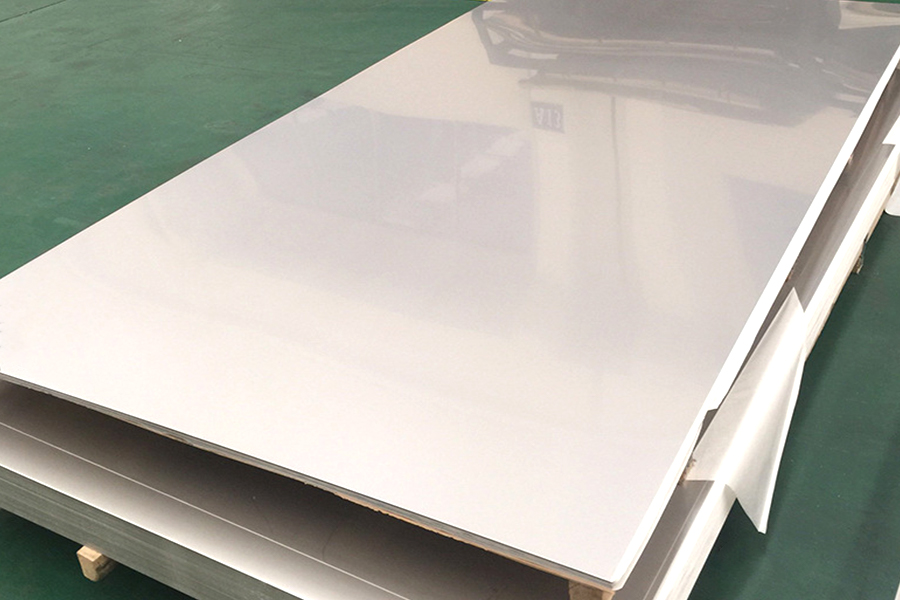 Hastelloy Alloy Sheet and PlateHastelloy C-276, C-22, B-2/B-3 and G grades in cold- or hot-rolled sheet and plate for chemical equipment, linings and pressure-boundary components exposed to aggressive media.View Product →
Coil is efficient when a fabricator needs continuous strip for stamping, roll forming, or automated welding. It also allows better nesting and less waste in repetitive production. We pay attention to coil weight, width, edge condition, and temper because those details affect the downstream line.
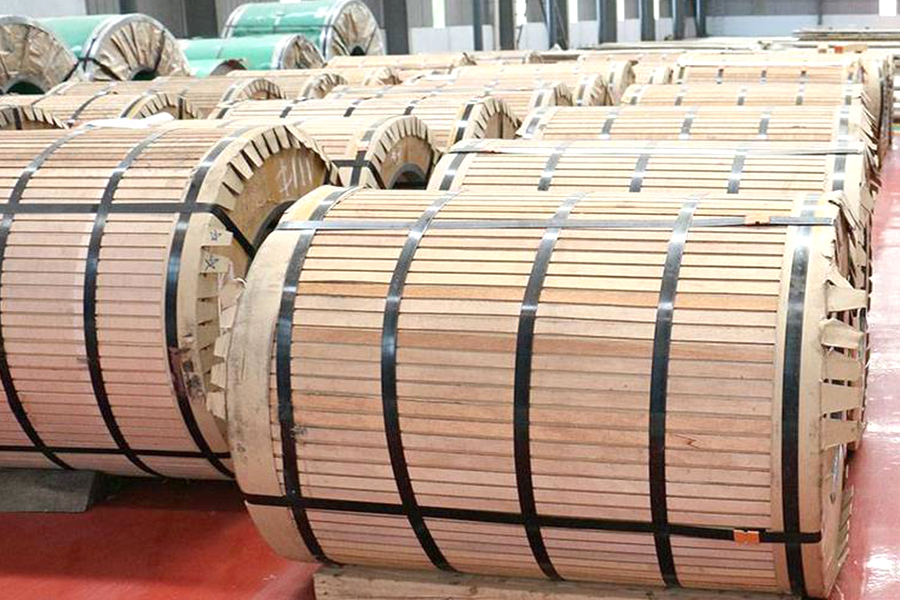 Hastelloy Alloy Coil for Stamping and Roll FormingCorrosion-resistant Hastelloy C-276, C-22, B and G coils in cold- or hot-rolled form, suited to stamping, roll forming and automated welding where strip continuity matters.View Product →
Welded pipe is common in chemical transfer, heat exchangers, and pollution-control piping where a reliable inside diameter and consistent wall thickness matter. Weld quality, roundness, and inspection documentation are part of the conversation from the beginning.
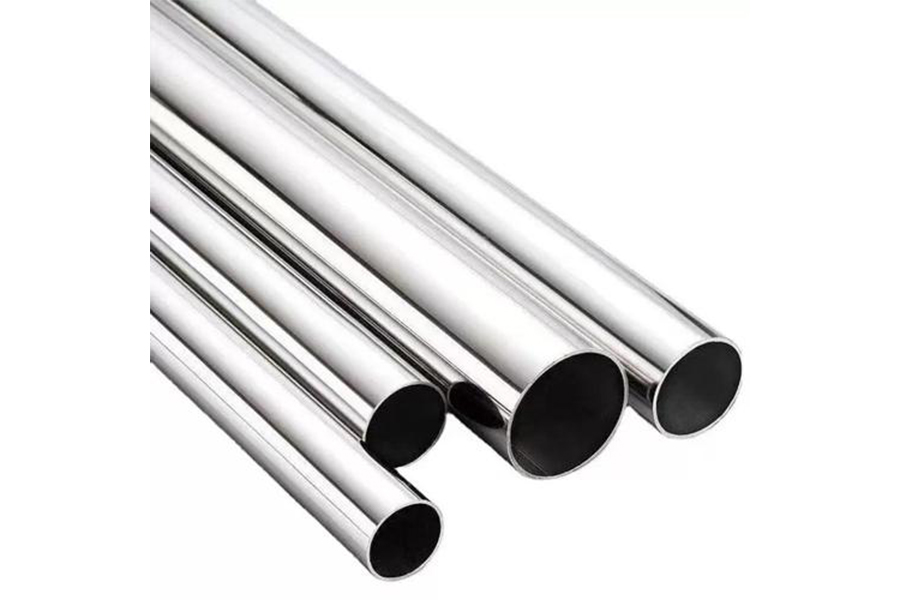 Hastelloy Alloy Welded Pipe for Chemical PipingWelded Hastelloy C276, C-22, B-2 and C-4 pipe in small to large diameters, with pickling, passivation or polishing for chemical and pollution-control piping.View Product →
We also handle the practical side of supply: cut-to-length, shearing, edge preparation, and pairing the material with the documentation the job requires. That is not glamorous work, but it is often what keeps a fabrication schedule moving.
Fabrication and Custom Components
Many Hastelloy alloy projects do not stop at raw material. They involve non-standard parts, welded assemblies, or process equipment that must be built from drawings. Our custom fabrication work covers CNC machining, welding, bending, and assembly for parts and equipment used in powder handling, heat exchange, filtration, water treatment, and general industrial service.
This is where material selection and fabrication planning need to be reviewed together. A grade that is excellent in the process stream may be difficult to weld without the right procedure. A part that looks simple on a drawing may need stress relief, surface protection, or a specific inspection step. Experienced welders, fitters, and quality inspectors can catch those issues before they become rework.
- Review the drawing and confirm the service environment before choosing the alloy grade.
- Check the proposed forming and welding route against the grade's behavior.
- Confirm inspection requirements, including PMI, dimensional checks, and any non-destructive testing.
- Plan material traceability so the heat number and mill certificate stay linked to the finished part.
How to Select a Grade Without Overbuying
The most expensive alloy is not automatically the safest choice. Over-specifying can add cost and lead time without improving service life, especially when the actual corrosion risk is modest. A disciplined selection process usually works better than a guess based on a grade name.
- Define the chemistry of the process stream, including minor components that can drive corrosion.
- Confirm the maximum and minimum temperatures, including upset or cleaning conditions.
- Check the applicable design code, customer specification, and any industry standard for the equipment.
- Review the fabrication route and the availability of the required form, size, and thickness.
- Consider the cost of failure, not only the purchase price of the material.
- Where the duty is marginal, ask for corrosion data or a test coupon before committing to a full order.
This process also helps with lead-time planning. A standard sheet or coil may be available from stock, while a special thickness or a custom welded assembly needs a realistic production window. Clear input from the process engineer, procurement team, and fabricator makes the selection faster and more reliable.
Quality, Traceability, and Delivery
For corrosion-resistant alloys, documentation is part of the product. We keep the conversation grounded in mill certificates, heat numbers, PMI checks, dimensional inspection, and weld records where applicable. If a project requires third-party inspection or a specific certificate package, that should be agreed before production, not after shipment.
Our material warehouse holds around 20,000 tons of coil stock, which helps us plan mixed orders and support customers who need a steady flow of material rather than a single shipment. That stock position is not a substitute for project-specific planning, but it does give our team more room to respond when a schedule changes. For Hastelloy alloy orders, we confirm the exact form, size, condition, and documentation package before release.
Working With Our Team
Hastelloy alloy selection is easier when the conversation includes the people who will make the part and the people who will maintain it. Send us the service conditions, the drawing or material specification, and the delivery expectation. We will help match the grade, form, and fabrication route to the job, and we will tell you when a simpler material may be the better answer.
Whether you are sourcing sheet, coil, welded pipe, or a custom component, our team is ready to review the details and help you move the project forward. Contact our team with your requirements, and we will work through the practical questions together.

